
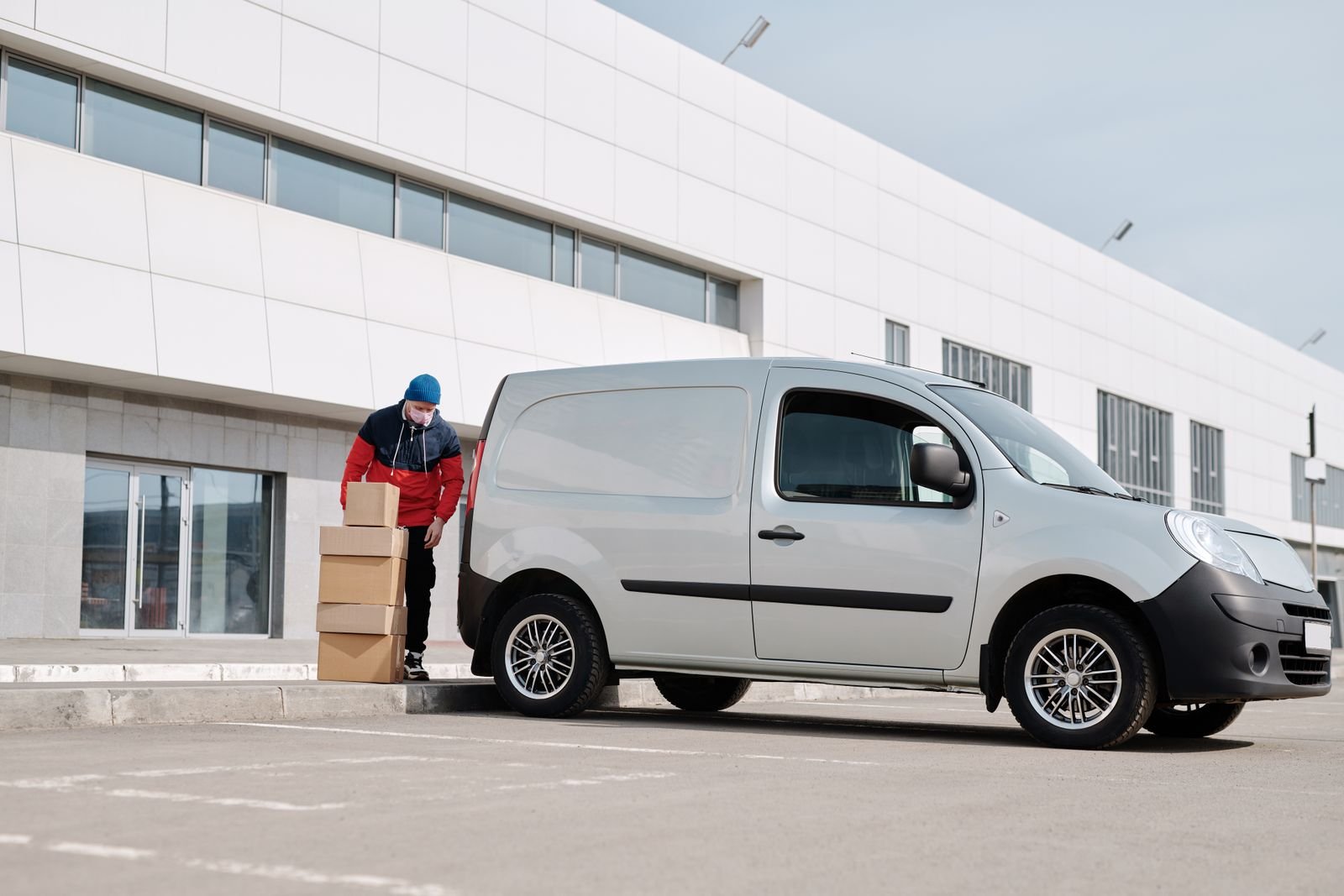
Why Distributors Are Moving Away from Fragmented Toner Supply Networks

Your warehouse is holding 40 SKUs from five different suppliers. One missed container means stockouts on your best-selling cartridges. Another supplier just raised MOQs mid-quarter. Your procurement team spends more time firefighting supply issues than building customer relationships.
Fragmented sourcing feels like risk management until it becomes the risk itself.
For toner cartridge distributors, supply chain complexity isn’t just an operational inconvenience — it’s a margin eroder and a customer retention problem. The economics of bulk toner cartridge supply only work when your procurement is predictable, your unit economics are stable, and your supplier can scale with your growth rather than constrain it.
This article covers what serious distributors look for when evaluating a B2B toner supplier in 2025 and 2026, and why production-scale matters more than marketing claims.
The Real Cost of Supply Chain Fragmentation
Most distributors inherit their supplier relationships piecemeal. A deal here, a样品 there, a recommendation from a trade show contact. This approach survives — until it doesn’t.
When your supply base is fragmented across multiple small-batch manufacturers, you’re managing compounding risks:
- Quality variance by lot: Small production runs mean inconsistent formulation. Your customers notice.
- Logistics overhead: Multiple shipments, multiple lead times, multiple points of failure.
- Minimum order confusion: Supplier A wants 500 units per SKU. Supplier B wants 1,000. Supplier C is suddenly “reviewing their MOQ structure.”
- Communication latency: When a shipment is delayed, who do you call, and when do they pick up?
A single tonercartridge distributor with consolidated bulk purchasing power eliminates most of these variables. One purchase order, one quality standard, one logistics track. The labor savings alone justify the switch.
The question isn’t whether consolidation makes sense — it’s whether your current suppliers can support the volume that consolidation requires.
Production Scale: Why Capacity Consistency Matters for Distributor Toner Programs
Distributors can’t sell what they can’t source. Capacity constraints are the silent killer of toner cartridge distributor relationships.
When evaluating a B2B toner supplier, drill into their actual production infrastructure, not their website claims:
Automated production lines reduce human error and ensure batch-to-batch consistency. Enlite operates 13 fully automatic production lines with a monthly output exceeding 1.2 million pieces. That capacity isn’t theoretical — it’s the difference between a supplier who can fulfill your peak-season orders and one who goes quiet in Q4.
ERP-integrated operations (Enlite uses 7S + ERP management) mean your order data flows directly into production scheduling. Less manual handoff means fewer errors and more predictable lead times.
Certification portfolios tell you whether the supplier has invested in systemic quality. ISO 9001 (quality management) and ISO 14001 (environmental management) are baseline expectations. SGS, OEKO-TEX ECO PASSPORT, CE, and REACH certifications indicate a supplier that has been audited by third parties, not just self-certified.
For a toner cartridge export operation, these certifications matter because your downstream customers — print shops, office supply retailers, procurement departments — increasingly ask for documentation. A supplier who can provide cert packets upfront saves you from scramble mode when enterprise RFQs arrive.
Private Label and OEM Programs: Building Margin Through Branding
Generic compatible cartridges compete on price. Private label programs compete on brand.
For distributors with established customer bases, the ability to offer a proprietary cartridge line under your own brand changes the value proposition entirely. Instead of reselling someone else’s brand with thin margins, you’re offering your customers a branded solution they can’t source elsewhere.
A serious toner cartridge OEM program should include:
SKU coverage that matches your market. Enlite’s full product range covers HP, Canon, Brother, Kyocera, Samsung, Lexmark, Konica Minolta, Xerox, and Toshiba — the brands most frequently requested in office supply and print shop channels. If your customers are running mixed printer fleets, your supplier needs to match.
Custom packaging options. Private label means nothing if the boxes still arrive with another manufacturer’s branding. Your B2B toner supplier should offer neutral packaging, custom inserts, and barcode/label customization.
Consistency guarantees. Your customers order Case Lot X of your branded cartridge in January. They need to order the same SKU in June. If the cartridge performs differently — different density, different yield, different sound profile in the machine — they’ll blame your brand, not the manufacturer behind it.
Batch-to-batch consistency requires the production discipline we covered above: automated lines, ERP integration, and documented QA protocols. Ask any tonercartridge distributor who has switched suppliers and experienced “the same SKU, worse results” — they understand why manufacturing consistency matters more than initial price.
Quality Assurance: What Distributors Should Actually Verify
Distributor buyers are often working at a remove from the factory floor. You order samples, test them against your requirements, and then place larger orders based on those results. That’s the right process — but it has limits.
Sampling tells you about the sample. It doesn’t tell you about lot 47 versus lot 52, or what happens when production runs at full capacity during peak season.
When evaluating a tonercartridge distributor relationship, ask your potential supplier:
- What is your incoming QC process for raw materials? Toner formulation consistency starts with powder and OPC (organic photoconductor) quality.
- Do you test per cartridge, per batch, or per run? The answer reveals their defect rate tolerance.
- Can you provide lot traceability? If a customer reports an issue, can you identify the production batch and investigate?
- What is your defect rate, and how do you handle it? A supplier who guarantees their defect rate (even an informal one) is more reliable than one who doesn’t discuss it.
Enlite’s internal QA protocols test cartridge performance against documented standards. While we can’t claim ISO 19752 page yield figures (that standard applies to OEM cartridges only), internal testing provides consistent data that distributors can share with their own customers when specifying expected performance.
Lead Times and Logistics: The Unsexy Part That Determines Your Profitability
You’ve signed a great contract with a new B2B toner supplier. The unit price is excellent. The samples passed your QC check.
Then your first container is delayed by three weeks, and your best customer is on the phone asking where their order is.
International logistics for toner cartridge export is complex. From Zhuhai to Rotterdam takes time. From Zhuhai to Los Angeles, to São Paulo, to Dubai — each route has different transit windows, different port congestion risks, and different customs handling.
A supplier who can produce 1.2 million cartridges per month but ships through a single freight forwarder with limited capacity is a liability. Ask potential tonercartridge distributors:
- What freight forwarders do you work with? Established relationships mean faster problem resolution.
- Can you support FOB, CIF, and DDP incoterms? Your logistics team needs flexibility.
- What is your standard lead time, and what triggers expedited processing? When you need to react to a customer’s emergency order, can they respond?
- Do you have warehouse capacity for buffer stock? Some distributors negotiate consignment arrangements or safety stock deposits to guarantee availability.
Distributor tonercartridge programs work best when there’s strategic inventory planning on both sides. Your supplier needs to know your ordering patterns to plan production runs. You need visibility into their production calendar to plan your purchasing.
Making the Switch: How to Pilot a New Toner Cartridge Distributor
Switching suppliers isn’t a one-click process. Here’s what a structured pilot looks like:
Month 1-2: Sample validation. Order samples across your top 5-10 SKUs. Test in your target printer models. Document results — density readings, compatibility checks, any error messages.
Month 2-3: Small pilot order. Place a modest order (typically 200-500 units per SKU) to test the full order-to-delivery process. Evaluate order accuracy, packaging quality, shipping documentation, and communication responsiveness.
Month 3-4: Scale up. If the pilot performs, increase order volume. By month four, you should have enough data to evaluate whether this supplier can replace or supplement your existing supply base.
Ongoing: Quarterly business reviews. Once you’re in a full distributor tonercartridge program, schedule quarterly check-ins with your supplier contact. Review volume commitments, upcoming product launches, and any supply chain risks.
The goal is to move from “transactional buyer” to “strategic partner.” Distributors who treat their tonercartridge supplier as a procurement checkbox miss the margin improvement and competitive differentiation available through close collaboration.
Ready to Consolidate Your Toner Supply?
If you’re managing 20+ SKUs across multiple suppliers and spending more time on procurement administration than customer development, a single-source bulk toner cartridge supply relationship may be the operational leverage you’re missing.
Enlite supplies toner cartridges, copier cartridges, and drums to distributors, print shops, OEM procurement departments, and office supply wholesalers in 80+ countries. With 13 automated production lines and over 1.2 million pieces per month, we have the capacity to support distributor growth without the supply constraints that strain smaller manufacturers.
Request a quote for your target SKUs, or ask for samples to run your own evaluation. Our sales team handles B2B inquiries — no retail pricing, no marketing games.
WhatsApp: +86 15992688079 Email: sales@enlite-china.com Web: enlite-china.com